

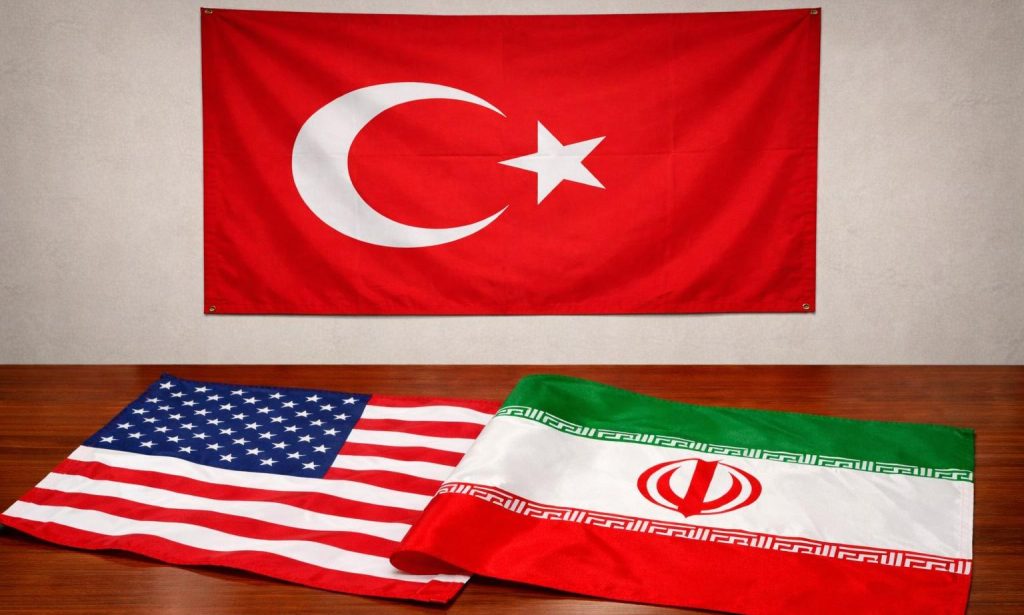
Efforts are intensifying to prevent escalating tensions between Iran and the United States (US) from triggering a new regional conflict, as sharp disagreements over the scope of negotiations threaten to derail diplomacy. Türkiye has emerged as an active intermediary, with President Recep Tayyip Erdogan stressing Ankara’s role in containing escalation and urging direct engagement between senior US and Iranian leaders ahead of scheduled nuclear talks in Oman.
At the core of the standoff lies Washington’s demand that Iran’s missile programme be included in negotiations, a condition Tehran has firmly rejected, insisting talks remain limited to nuclear issues. This deadlock has been accompanied by increasingly blunt rhetoric, including US warnings of possible military strikes and Iranian threats of retaliation, raising fears of miscalculation.
The situation has alarmed regional and European actors. Germany’s chancellor has publicly urged Iran to re-engage seriously, warning that the risk of military escalation is growing. Gulf states, already exposed to the fallout of regional conflicts, are quietly pushing for diplomacy, wary that any confrontation would unfold in their immediate neighbourhood, threatening energy infrastructure, trade routes and domestic stability.
The military dimension has sharpened anxieties. The US has significantly reinforced its presence in the Middle East, deploying additional troops, naval assets and air power. These moves, while intended as deterrence, also heighten the risk of accidental escalation, particularly in crowded maritime and airspace environments.
For the wider region, an Iran–US conflict would carry severe consequences. Energy markets could face disruption, shipping through the Gulf and the Strait of Hormuz could be imperilled, and fragile states across the Middle East could become arenas for proxy escalation. Israel’s involvement would further broaden the conflict, while internal instability in Iran could generate long-term regional uncertainty.
Diplomatic initiatives involving Türkiye, Gulf states and European powers reflect a shared recognition that war would produce no clear winners. While negotiations remain fragile and expectations low, regional actors increasingly view sustained dialogue — even if limited — as essential to preventing a crisis that could destabilise the Middle East for years to come.