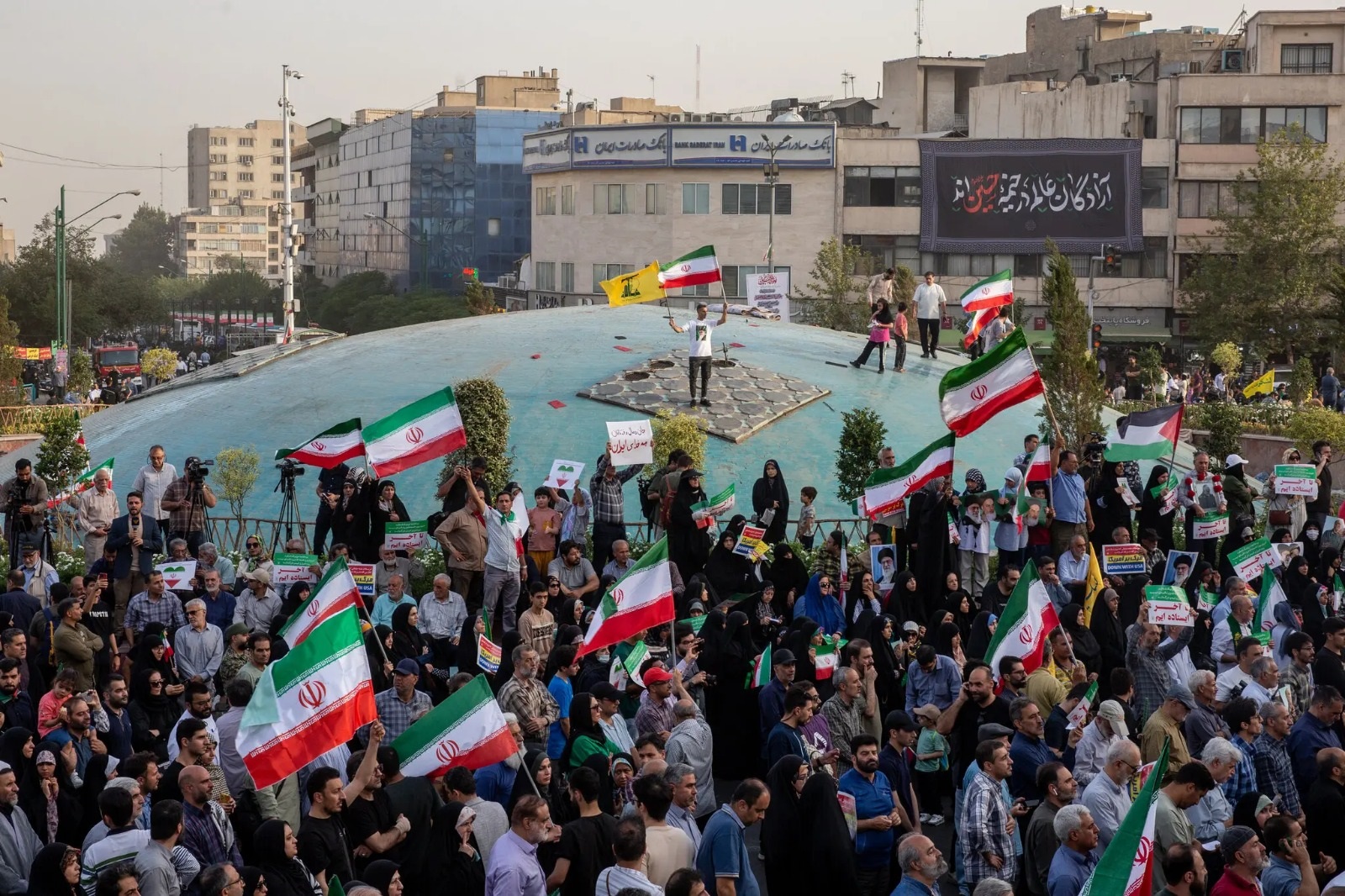

For decades, Benjamin Netanyahu has warned that Iran represents an existential threat to Israel and has consistently urged the United States (US) to take decisive action against Tehran. That long-standing objective appears to have moved closer to realization when Donald Trump authorized military strikes on Iran, an escalation that many analysts interpret as the culmination of years of Israeli lobbying for a more confrontational US policy.
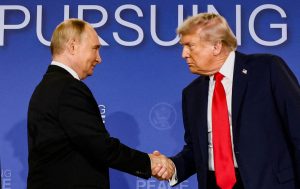
Recent diplomatic activity suggests that Israeli pressure played a significant role in shaping Washington’s decision. Netanyahu met Trump several times in the weeks leading up to the military operation, reinforcing the perception that Israel was actively pushing the US toward a harder line. Meanwhile, remarks by Marco Rubio appeared to hint that the justification for pre-emptive action was tied as much to Israeli security calculations as to any immediate Iranian threat. Even if unintended, such statements fueled debate about whose strategic priorities were truly driving the conflict.
Beyond Israeli influence, there is also a broader geopolitical argument within Washington. Some policymakers view confrontation with Iran as part of a larger effort to maintain US dominance in the Middle East and across Eurasia. In this perspective, weakening Iran could reinforce American influence in a strategically vital region while indirectly countering the growing global role of China. Yet critics argue that this logic reflects an outdated pursuit of hegemony that risks deepening instability rather than enhancing security.
What makes this war particularly striking is the level of domestic skepticism in the US. Unlike earlier interventions in Afghanistan or Iraq, public support for military action against Iran appears significantly weaker from the outset. Many Americans increasingly question whether the conflict serves US national interests or primarily benefits Israel’s strategic agenda.
This dynamic creates a dilemma for Israel itself. While pushing for tougher action against Iran may align with its immediate security concerns, doing so at a moment of declining American public support for Israel could prove risky. If the perception that Washington is fighting a war on behalf of another state takes hold, it may further erode the political foundations of the long-standing US-Israel partnership. Ultimately, the unfolding conflict raises a deeper question: whether strategic alignment between the two allies can endure if their interests, and the public perception of those interests, continue to diverge.