

Russian President Vladimir Putin visited India on December 4, 2025, for a two-day official trip. The visit took place at a time when the world is shifting toward multipolarity, a development aligned with India’s foreign policy objectives. The visit was welcomed by the Indian government, which described the Indo-Russian relationship as stable and dependable, like a pole star. It is interesting to observe how the United States (US) interests are impacted by the collaboration between India and Russia, given the shifting global alignment. US interests center on maintaining global leadership, keeping democratic allies aligned, and countering rivals like China and Russia. New Delhi leans toward the US and its Quadrilateral Security Dialogue (Quad) allies to thwart China’s ascent, while for energy, continental defence needs, and United Nations (UN) geopolitics, India sticks with Russia. This flexible alignment, often called ‘strategic autonomy,’ increases New Delhi’s choices. Regardless of the risks, New Delhi considers itself indispensable to both sides by maintaining a foot in each camp. It remains to be seen how long can India continue this interest-driven policy without inviting serious drawbacks from Washington.
Scholars argue that strategic autonomy in Indian foreign policy is a means to deal with the changing global and regional order. By resisting both confrontation and capitulation to any single bloc, thereby preserving decisional autonomy. The collapse of the Union of Soviet Socialist Republics (USSR), a key Indian patron during the Cold War, led New Delhi to recognize the potential of aligning with the US, and relations between the two countries improved on the eve of the 21st century, accelerating markedly under the Bush administration.
The interests of the two were further aligned to contain the rise of China. Ties with the US helped India advance its nuclear program, technology access, and economic reach. Simultaneously, India’s pursuit of power and status directed its focus on engagements with organisations, like BRICS
, G20, and IBSA. Since the seizure of Crimea and the resultant resurgence of Russia at the international level, New Delhi’s pursuit of its interests has drawn it toward deepening ties with Moscow, including joint technological ventures.
For years, successive US administrations ignored India’s significant reliance on Russia for defence. Key Russian military transactions, such as New Delhi’s purchase of the S-400 missile system, which technically violated CAATSA (Countering America’s Adversaries Through Sanction Act), were overlooked by the successive US administrations seeking to develop India as a counterweight to China. However, the conflict in Ukraine altered this approach. Bipartisan annoyance in Washington has been sparked by India’s failure to denounce what the West views as Russian aggression and by a sharp increase in India’s purchases of Russian energy.
In 2021, Russian crude accounted for a marginal share of India’s imports, but by late 2025, over 30% of India’s total oil imports were coming from Russia. Moscow offers New Delhi cheap oil to boost its economy. According to one estimate, New Delhi has saved billions of dollars by purchasing Russian Urals crude at a hefty discount. Besides oil, Moscow supplies New Delhi with natural gas, coal, and nuclear fuel. Notably, Russia’s Rosatom ships uranium for India’s Russian-built reactors, and Moscow has promised to keep this lifeline open. In return, these purchases provide Moscow with critical petrodollars amid sanctions. The Trump administration, after returning to power, responded with 50% tariffs on selected Indian exports. The message was clear: strategic autonomy is one thing, but directly undermining the US interests comes with a cost.
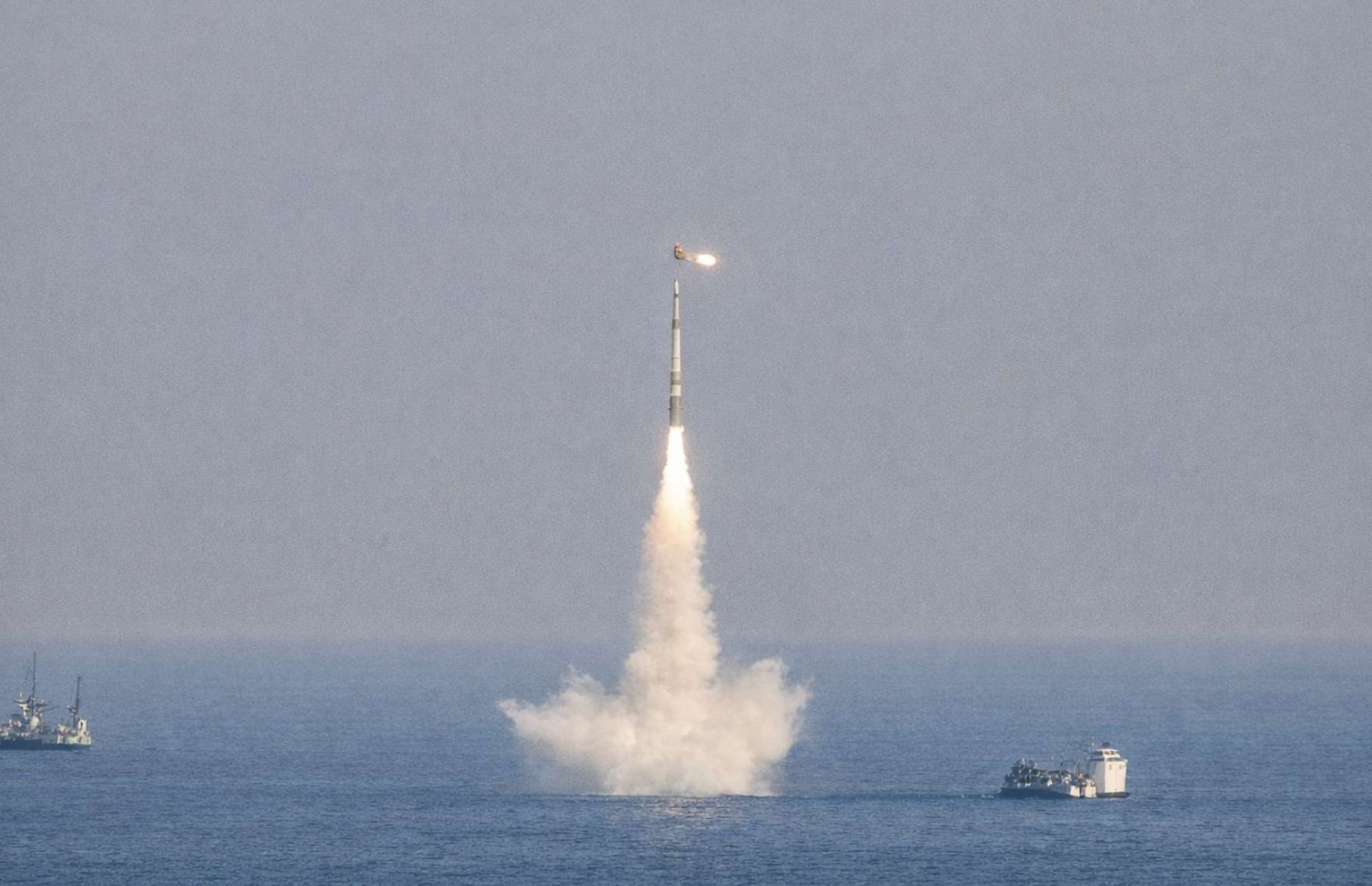
Tensions between the US and India have been most evident on the issue of the F-35 fighter jet. Washington had previously considered providing India with the F-35 Lightning II as a sign of strategic trust; however, New Delhi has not embraced the idea. Several factors explain this hesitation, including reluctance to disrupt its decades-old defence reliance on Russian equipment, concerns over high acquisition and maintenance costs, and reservations about end-use monitoring. New Delhi continues to co-develop weapons with Moscow, such as the BrahMos missile, and relies significantly on Russian-origin equipment for everything from Tanks to submarines, a dependency of which Russia is fully aware of.
In the contemporary era, Moscow, like New Delhi, views itself as a third pole, a force that is neither allied with the West nor subservient to China. India favours sovereignty and transactional pragmatism over Western dictates and plays a crucial part in sustaining this vision, which is reinforced by New Delhi’s decision to maintain arms and energy trade with Russia, thereby providing Moscow with diplomatic breathing space.
However, this balancing act creates a policy conundrum for the US. Since India is both a member of the QUAD and a key participant in the US Indo-Pacific strategy, its economic and diplomatic relations with Russia undermine US and Western efforts to pressure President Vladimir Putin. Additionally, these relationship undermines the US strategy of uniting democratic coalitions to oppose authoritarian aggression. Some in Washington argue that India is acting more like a transactional power than a committed ally such as Japan, pointing to New Delhi’s defence ties with Moscow, its oil imports, and its muted stance on the Ukraine war as indications of opportunism. Critics frequently warn that New Delhi may face diplomatic blowback and lose access to Western technology if Washington’s wears thin.
In sum, India’s strategic autonomy relies on the US as a counterweight to China, while simultaneously retaining Russia as a second string to its bow and a reliable supplier of oil and arms. This careful tightrope walk is driven by hard interests, as India is willing to trade principles for power as long as it can claim to prioritise its developmental and security needs. Yet as superpower rivalries sharpen, India’s room for manoeuvre may narrow, and its strategic autonomy could be severely tested if the future demands explicit alignment, with the coming years revealing whether India can sustain its multi-aligned policy or be pushed toward a clearer choice by potential setbacks in its relationship with Washington.