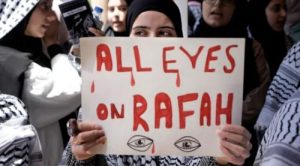
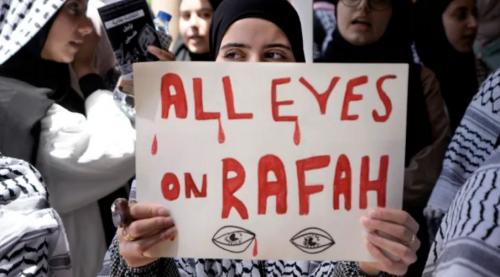



The eight-nation Muslim bloc’s latest statement on Gaza marks an assertive diplomatic push, yet it also exposes the limits of a strategy heavily anchored in a US-endorsed peace framework. Their strong rejection of what they describe as Israeli ‘attempts to expel the Palestinian people’ through a unilateral opening of the Rafah crossing reflects mounting regional frustration. Israel’s plan, allowing Gazans to exit while keeping all other movement restricted, effectively reinforces the long-standing blockade and raises serious concerns about forced displacement. Egypt’s immediate refusal to cooperate underscores how destabilising such a move could be for regional security.
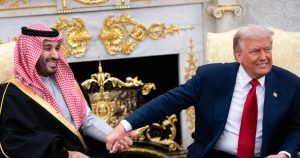
While the bloc’s emphasis on safeguarding Palestinian presence and preventing population transfer is crucial, its reliance on President Trump’s Gaza peace plan raises questions. The insistence on adhering to the plan’s provisions, including keeping Rafah open in both directions, suggests a diplomatic posture shaped more by geopolitical calculations than by Palestinian political agency. Washington’s centrality in the proposed framework risks sidelining broader regional consensus, particularly as many elements of the plan remain viewed with scepticism by Palestinian actors themselves.
The call for sustaining the ceasefire, ensuring unrestricted humanitarian access, and preparing the ground for Gaza’s reconstruction reflects urgent realities on the ground. However, the bloc’s appeal for the Palestinian Authority to resume administrative control overlooks the deep political fragmentation within Palestinian politics, a structural issue that cannot be resolved merely through external pressure or broad statements of intent.
Pakistani Foreign Minister Ishaq Dar’s condemnation of Israel’s unilateral approach, echoed in his call with Saudi Arabia’s foreign minister, demonstrates Pakistan’s consistent diplomatic stance. Yet without a coherent enforcement mechanism or a unified regional strategy, such condemnations risk becoming symbolic gestures rather than instruments of meaningful change. Ultimately, while the bloc’s declaration signals moral clarity, its strategic effectiveness remains uncertain amid shifting regional alignments and a volatile situation inside Gaza.